
In fragrance design, a perfume bottle is more than a container—it is a brand’s visual signature and the customer’s first emotional connection. The bottle’s finish shapes mood, identity, and perceived value long before the scent is experienced.
Frosted bottles convey softness and elegance, opaque finishes project bold artistry, and transparent glass communicates purity and authenticity. Understanding these visual effects is essential for brands that want packaging that stands out in retail and online.
This article explores the aesthetic, functional, and branding implications of each finish to help fragrance creators and manufacturers elevate their next product launch.
Why Visual Appearance Matters in Perfume Packaging
A key factor in drawing clients in a congested scent market is aesthetic appeal. A perfume bottle serves as a silent salesperson—its color, texture, shape, and finish all influence buying behavior within seconds.
First Impressions and Shelf Impact
When displayed on shelves, bottles compete for attention among hundreds of options. Lighting interacts with the bottle’s finish, casting reflections, highlights, and shadows that can make the product more alluring or diminish its impact. In digital retail spaces, product images must communicate luxury through screens, making finish quality even more critical.
Emotional Communication of Texture and Transparency
Humans instinctively associate surface textures with emotions and values:
- Matte and frosted textures evoke calmness, softness, and minimalism.
- Opaque finishes feel mysterious, powerful, and artistic.
- Transparent surfaces are linked to clarity, freshness, and honesty.
These emotional associations influence how customers imagine the scent even before smelling it.
Influence on Perceived Fragrance Type
Studies in visual psychology suggest that customers tend to assign certain scent characteristics to certain visual styles:
- Frosted → clean, floral, refreshing
- Opaque → strong, intense, woody, warm
- Transparent → bright, citrusy, aquatic, youthful
Brands can leverage this relationship to deliver coherent messaging between bottle and fragrance.
Packaging Trends in Modern Perfume Design
Recent industry trends include:
- Soft matte pastel bottles for gender-neutral scents
- Full-color opaque bottles for niche perfumery
- Minimal clear bottles for essential-oil-based fragrances
- Gradient effects combining transparency with soft haze
These trends reflect shifting consumer preferences toward authenticity, artistry, and storytelling.
Frosted Perfume Bottles

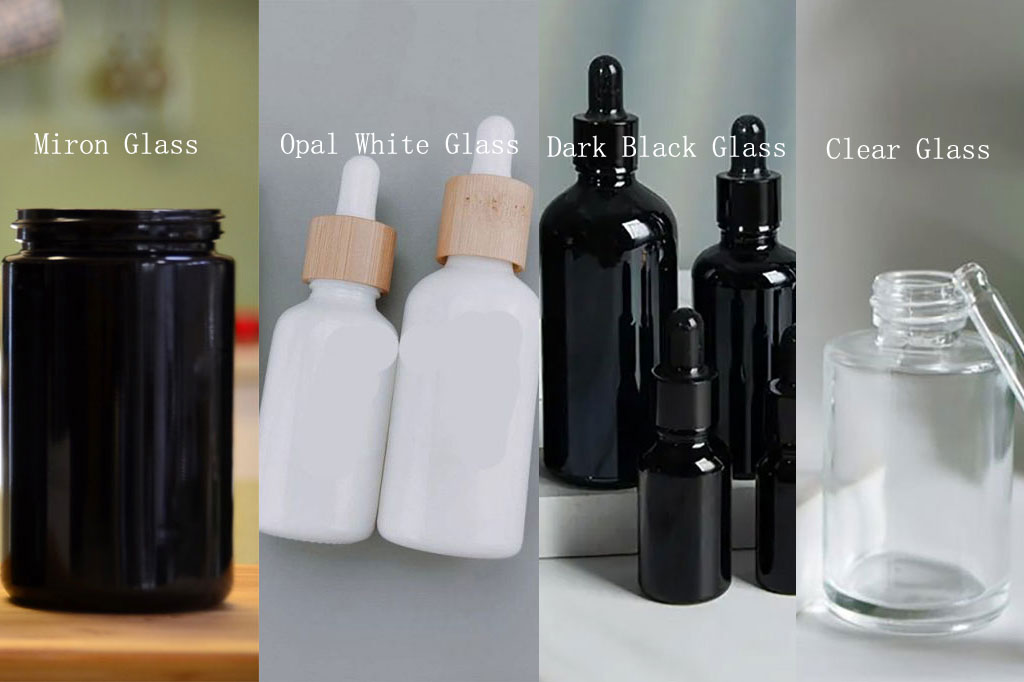
Frosted perfume bottles are favored for their subtle, premium appearance and velvety texture. They are created through acid etching, sandblasting, or matte coating, each resulting in a soft, diffused surface that gives the bottle an understated elegance.
Aesthetic Characteristics
Light is diffused rather than sharply reflected by a frosted surface. The result is a matte appearance that feels calming and minimalistic. The tactile experience is also important—customers often describe frosted glass as “smooth,” “soft,” or “luxurious to hold.”
Suitable Brand Personalities
Frosted bottles best suit brands known for:
- Natural or clean beauty
- Spa or wellness
- Scandinavian minimalism
- Calm, fresh, or neutral fragrance lines
The matte effect supports a soothing emotional message, which pairs well with floral, herbal, aquatic, or unisex scents.
Best Applications
Frosted bottles are excellent for fragrances aimed at:
- Everyday wear
- Wellness and aromatherapy
- Natural ingredient–driven formulations
- Gender-neutral markets
Frosted Perfume Bottles: Pros vs. Cons
| Pros | Cons |
| Resists fingerprints | Higher production cost due to extra frosting step |
| Hides minor glass imperfections | Muted color visibility reduces liquid-driven storytelling |
| Provides better grip and reduces slipperiness | Some decorations may require pre-treatment for adhesion |
| Supports simple, elegant decoration styles | Thick frosting can diminish premium clarity and feel |
Opaque Perfume Bottles

Opaque perfume bottles are the visual opposite of frosted designs. These bottles cannot be seen through, creating a dramatic and high-impact visual presence. Opaque finishes are typically achieved through full-body spray coating or ceramic-style paint applications.
Aesthetic Characteristics
Opaque finishes offer strong color density, making the bottle more expressive. Matte opaque coatings deliver a modern look, while glossy opaque coatings add richness and depth.
These bottles stand out instantly because they appear bold, confident, and deliberate. They function almost like art pieces and are frequently used for storytelling-driven or concept-driven fragrances.
Suitable Brand Personalities
Opaque bottles fit:
- High-fashion brands
- Artistic and niche perfumers
- Luxury limited editions
- Bold or gender-neutral brands
- Seasonal winter collections
They carry an air of exclusivity and creatively support fragrances intended to be unique or intense.
Best Applications
Opaque bottles excel in:
- Niche perfumery
- Artistic collaborations
- Fragrances for night-time or winter seasons
- Statement-making product lines
Opaque Perfume Bottles: Pros vs. Cons
| Pros | Cons |
| Excellent UV protection for sensitive formulations | Liquid level and color are not visible to consumers |
| Wide flexibility in bottle color customization | Low-quality coatings may chip or scratch |
| Works well with printing, decals, and embossing | Coating adds cost and requires careful adhesion and curing |
| Consistent, high-impact appearance in photography | — |
Transparent Perfume Bottles

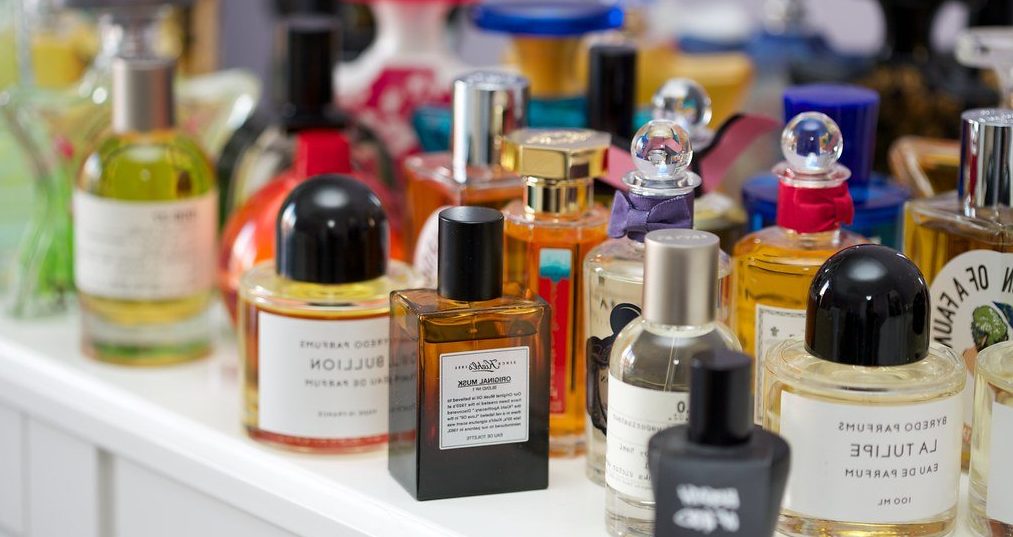
Transparent bottles remain the most traditional and widely recognized format in perfume packaging. Their clear glass showcases the fragrance itself, merging bottle design with the beauty of the liquid inside.
Aesthetic Characteristics
Transparent glass appears clean, bright, and pure. It allows customers to appreciate the fragrance color—whether crystal-clear, golden amber, or pastel pink—enhancing the sensory story.
Suitable Brand Personalities
Transparent bottles work well for brands emphasizing:
- Freshness and minimalism
- Classic elegance
- Natural or essential-oil-based fragrances
- Youthful or energetic scents
They appeal to customers who value authenticity and simplicity.
Best Applications
Transparent bottles are ideal for:
- Everyday perfumes and mass-market lines
- Floral and citrus fragrances
- Youthful and introductory perfume categories
- Aromatherapy and essential-oil blends
Transparent Perfume Bottles: Pros vs. Cons
| Pros | Cons |
| Liquid level and color are fully visible | Requires high-quality, defect-free glass |
| Builds customer trust through transparency | Formulas must be UV-stable to avoid discoloration |
| Enables visual storytelling using fragrance color | Sensitive to lighting conditions during display and storage |
| Highly adaptable to various shapes and decorations | — |
Comparison Tables
Below are three comparison tables that summarize the differences among frosted, opaque, and transparent finishes.
Aesthetic Comparison
| Feature | Frosted | Opaque | Transparent |
| Light Behavior | Soft diffusion | Solid color reflection | High clarity, sharp reflection |
| Emotional Feel | Calm, soft | Bold, artistic | Clean, honest |
| Visual Intensity | Medium | High | Low–Medium |
| Tactile Feel | Velvety smooth | Painted or ceramic | Smooth glossy |
Functional Comparison
| Function | Frosted | Opaque | Transparent |
| UV Protection | Medium | High | Low |
| Fingerprint Resistance | Excellent | Good | Low |
| Liquid Visibility | Hazy | None | Full |
| Manufacturing Cost | Medium | Medium–High | Low–Medium |
| Defect Coverage | Good | Excellent | Poor |
Branding Comparison
| Branding Goal | Best Finish |
| Minimalist luxury | Frosted |
| Artistic expression | Opaque |
| Classic elegance | Transparent |
| Ingredient storytelling | Transparent |
| Strong color branding | Opaque |
Choosing the Right Finish for Your Brand
Selecting the perfect bottle finish involves more than personal taste; it requires strategic analysis of brand identity, audience expectations, fragrance characteristics, and cost.
Brand Identity Alignment
Ask:
- Is the brand soft and natural? → Frosted
- Is the brand artistic and bold? → Opaque
- Is the brand classic and clean? → Transparent
Target Audience Considerations
Different age groups and customer segments respond to different visual cues:
- Younger consumers prefer colorful or transparent designs.
- Luxury buyers appreciate matte opaque finishes or frosted textures.
- Natural wellness consumers gravitate toward frosted or clear bottles.
Fragrance Type
Fragrance families offer the following guidelines:
- Floral & citrus → transparent or frosted
- Woody, oriental → opaque
- Fresh aquatic → transparent
- Gender-neutral → frosted or opaque
Production Budget and Timeline
Opaque coatings may increase cost. Frosting adds a production step. Transparent bottles often have the shortest lead time.
Practical and Functional Needs
Brands must consider:
- UV sensitivity
- Photography and advertising requirements
- Shelf lighting conditions
- Sustainability or recycling goals
Decoration Techniques for Each Finish
Decorations elevate the base finish, allowing brands to craft a distinctive identity.
Frosted Bottle Decorations
- Silk-screen printing
- Minimal foil stamping
- Embossed or debossed logos
- Subtle gradient frosting
- Matte metallic accents
- The goal is subtle elegance.
Opaque Bottle Decorations
- UV printing
- Vibrant decals
- Hot stamping
- Gradient color spraying
- High-contrast graphics
These decorations enhance the bold foundation of opaque finishes.
Transparent Bottle Decorations
- Internal coating
- Colored fragrance liquid for natural visual effect
- UV-resistant labels
- Intricate printed artwork
- Transparency works best with designs that complement the liquid.
Manufacturing Considerations
Each finish has unique production requirements that influence cost, timeline, and quality control.
Frosting Process
- Requires uniform application
- Needs careful cleaning
- May alter tactile feel depending on thickness
Opaque Coating
- Must be evenly applied
- Requires strong adhesion for durability
- Needs curing for long-lasting color stability
Transparent Bottle Production
- Strict clarity inspection
- Bubble screening
- Higher rejection rate if defects appear
Customization Options for Perfume Brands
To complete the perfume bottle design, brands often customize:
- Shape (rectangular, round, oval, sculptural)
- Capacity (30ml, 50ml, 100ml)
- Glass color
- Pump and collar finish
- Cap style (metal, wood, resin, acrylic)
- Surface decoration
- Packaging box design
Combining bottle finish with decoration creates a cohesive identity.