
The packaging of skincare products, especially serums, plays a pivotal role in influencing consumer perception, brand identity, and product functionality. While the formula inside the bottle may be the hero, the design of the serum bottle can either elevate or undermine the product’s appeal. A well-chosen bottle design not only adds to the aesthetic appeal but also serves practical purposes such as protecting the formula, ensuring proper usage, and enhancing the user experience.
In this article, we will explore various serum bottle designs, discussing their pros and cons, material choices, design features, and how to find the perfect fit for your product.
The relevance of picking the right design for your serum bottle
Choosing the right serum bottle design is crucial for several reasons:
- Brand Image and Consumer Perception: The packaging of a product often forms the first impression. A beautifully designed bottle can signal quality, sophistication, and luxury, while a poor design may reflect badly on the product and brand.
- Protection and Preservation: Serums, particularly those with active ingredients, are sensitive to light, air, and temperature. The product will remain effective for the duration of its shelf life if it is packaged to preserve the formula.
- Usability: The ease of use is paramount in skincare. Customers can apply the appropriate amount of product more easily and waste less when the bottle is well-designed. Additionally, convenience features such as spill-proof caps and controlled dispensing systems can improve the user experience.
Types of Serum Bottle Designs
Several factors, such as your target audience, the serum’s formulation, and your budget, determine the type of serum bottle you select.
Serum Glass Bottles

Glass bottles are a classic choice for serum packaging, particularly in the luxury skincare segment. They provide a premium look and feel, elevating the perception of the product.
Advantages:
- Premium Aesthetic: Glass conveys a sense of luxury and high-end quality, often associated with more expensive serums.
- Product Preservation: Glass does not interact with the product, preserving the integrity of the serum, especially for products sensitive to light and air.
Disadvantages:
- Weight: Glass bottles are heavier than plastic, which can make shipping more costly.
- Fragility: Glass is prone to breaking, which makes it less suitable for products intended for travel or for certain situations.
Serum Plastic Bottles

Plastic bottles are a cost-effective and versatile packaging option, widely used in the beauty and skincare industries.
Advantages:
- Lightweight: Plastic is significantly lighter than glass, making it cheaper to ship and easier for customers to handle.

- Range of Shapes and Sizes: Plastic can be shaped into numerous forms, allowing for design versatility.
Disadvantages:
- Perception: Plastic is often seen as less luxurious than glass, and some customers may view it as less environmentally friendly.
- Potential for Chemical Leaching: Over time, certain plastic materials can leach chemicals, potentially altering the product’s integrity.
Serum Airless Pump Bottles

Airless pump bottles are highly regarded in the skincare industry, especially for serums containing active ingredients like retinol, vitamin C, and hyaluronic acid, which are sensitive to oxidation.
Advantages:
- Prevents Oxidation: Airless pumps prevent air from coming into contact with the product, maintaining the serum’s potency.
- Hygienic: The airless system ensures that the serum remains free from contamination, as users only dispense the product without touching the contents.
Disadvantages:
- Cost: Because of their sophisticated technology, these bottles are typically more costly.
- Complexity: The mechanism can be tricky for consumers to operate, particularly when the bottle is nearing empty.
Serum Dropper Bottles
Dropper bottles are commonly used for serums with a thicker consistency, allowing users to dispense a precise amount of product.
Advantages:
- Precision: By providing precise dosing, the dropper minimizes waste and guarantees correct application.
- Ideal for Thick Formulas: They work well with more viscous serums that need to be dispensed slowly.
Disadvantages:
- Leakage: Dropper bottles are prone to leakage if not sealed properly.
- Glass Limitations: Like traditional glass bottles, dropper bottles are also fragile and can break easily.
Serum Roller Ball Bottles

Roller ball bottles are a unique design often used in skincare for their massaging properties, ideal for serums used around delicate areas like the eyes.
Advantages:
- Controlled Application: The roller ball helps evenly distribute the serum, preventing waste and overuse.
- Massage Effect: The rolling action can offer a relaxing massage during application, enhancing the user experience.
Disadvantages:
- Limited to Specific Uses: Roller ball bottles are not suitable for all types of serum formulations, particularly those that require precise dispensing.
- Potential Clogging: The roller ball can become clogged over time, especially with thicker formulas.
Material Choices for Serum Bottles
When selecting the material for your serum bottle, several factors such as durability, sustainability, and product protection must be taken into account.
Glass vs. Plastic
| Feature | Glass | Plastic |
| Aesthetic | Premium, luxurious | Affordable, versatile |
| Durability | Fragile, prone to breaking | Lightweight, durable |
| Product Protection | Excellent for sensitive formulas | Can degrade over time, may affect product integrity |
| Environmental Impact | Recyclable, sustainable | Often single-use, environmental concerns |
Recycled Materials
As consumers expect more environmentally friendly products, recycled materials are becoming more and more significant in skincare packaging. Recycled glass and plastic reduce the carbon footprint, offering a sustainable alternative to traditional materials.
Other Materials
Alternative materials for serum bottle packaging are also starting to appear, such as silicone and aluminum. These materials are durable, resistant to corrosion, and lightweight, making them viable options for both luxury and everyday products.
Design Features to Consider
The bottle design should be practical and user-friendly while also being visually appealing. Here are some key design features to consider:
Size and Shape
The bottle’s dimensions and form are very important for both appearance and practicality. Small, elegant bottles are often preferred for luxury products, while larger, more functional bottles are better suited for everyday use.
Closure Type
The bottle’s closing holds equal significance to the bottle itself. Common closure types include:
- Screw Caps: Easy to use but can result in leakage if not sealed properly.
- Pumps: More hygienic and convenient, especially in airless pump bottles.
- Droppers: Ideal for precision dispensing, especially for thicker serums.
Ease of Use
Make sure the bottle design enables controlled and simple distribution. Features such as pumps or squeezable bottles enhance usability, especially for serums with thicker consistencies.
Branding Opportunities
The design of the bottle offers a canvas for branding. Custom shapes, embossing, and unique cap designs can help create a strong brand identity, appealing to the target audience.
Functionality and Product Preservation
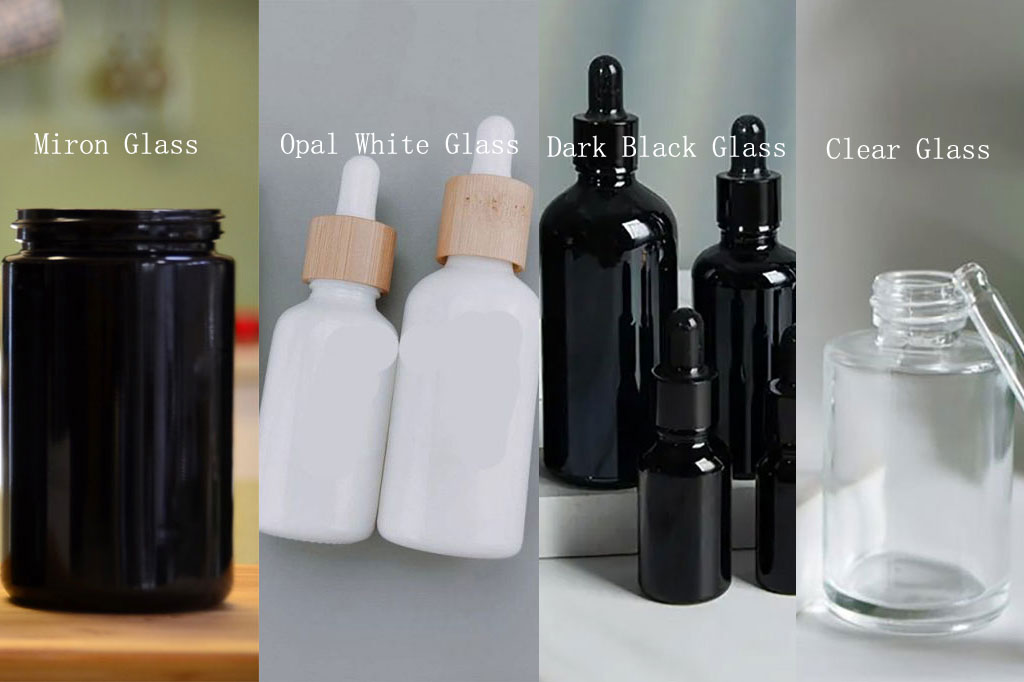
Serum bottles serve a critical function in preserving the quality of the product. Packaging that prevents oxidation and contamination can significantly extend the shelf life of the serum. Airless pump bottles are ideal for protecting serums from air exposure, while UV-protective glass bottles shield light-sensitive formulations from degradation.
Trends in Serum Bottle Design
The skincare packaging industry is constantly evolving, with several emerging trends:
- Minimalist Designs: Simpler, cleaner aesthetics are becoming more popular, with a focus on sustainability and minimal waste.
- Eco-Friendly Packaging: In response to customer demand for sustainable packaging, more companies are choosing recyclable or biodegradable materials.
- Customization: Customized designs, especially in luxury skincare, are on the rise. This includes personalized bottles with unique shapes, colors, and branding.
Cost Considerations for Different Designs
While glass and airless pump bottles offer excellent product protection and a premium look, they also come with a higher cost. Conversely, plastic bottles are less expensive but might not be as opulent.
The cost of packaging is also influenced by the type of closure and dispensing system used. Airless pumps, droppers, and roller ball mechanisms increase the production cost, but they provide better functionality and a higher-end experience for consumers.
Choosing the Right Bottle for Your Product
The choice of serum bottle should align with your product’s formula, target market, and overall branding strategy. Take into account the following elements:
- Formula: Does the serum contain active substances that need to be shielded from light and air?
- Target Market: Is your product aimed at a luxury market, or is it intended for more practical, everyday use?
- Cost: What is your budget for packaging? Consider the impact of packaging costs on your overall product pricing.